
Choosing a pool shape is one of the first big decisions in any backyard project. Most designs fall into one of two categories: freeform or geometric. Understanding how they differ can help you pick the style that fits your yard and your lifestyle.
Freeform Pools
Defining Freeform Pools
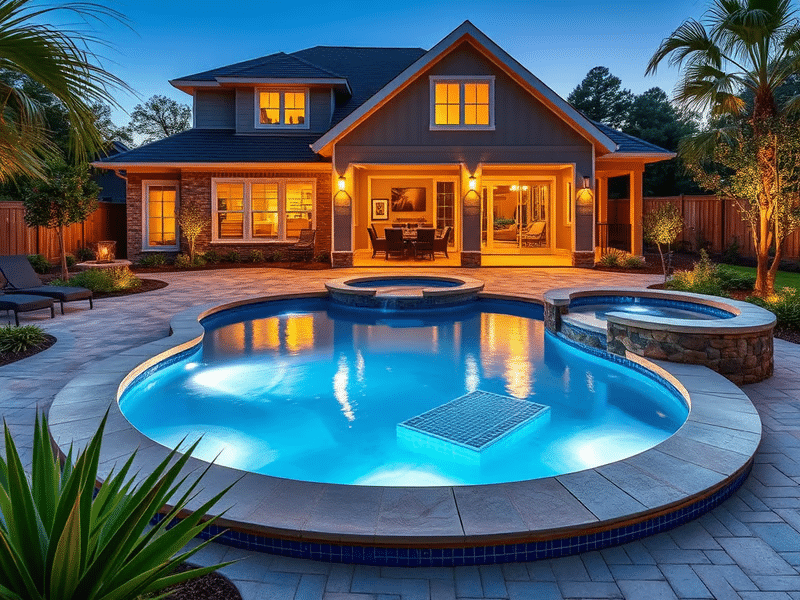
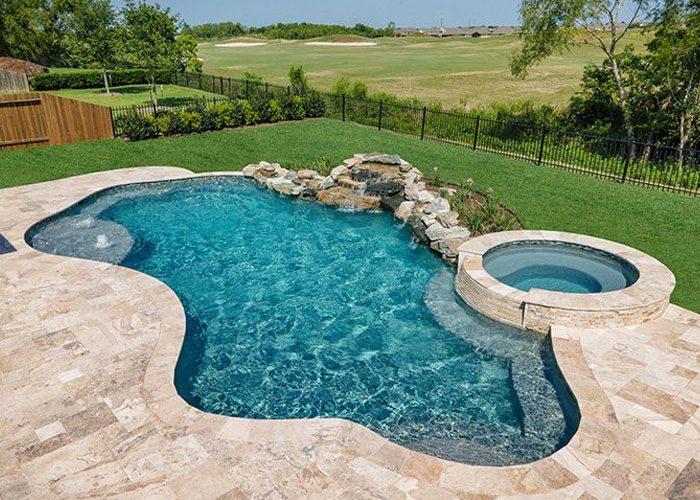
Freeform pools use curved, irregular lines that mimic natural bodies of water like ponds or lagoons. There are no straight edges or sharp corners in the design. Instead, the shape flows organically, often following the natural contours of the landscape around it.
This style pairs well with lush landscaping, natural stone decking, and features like waterfalls or grottos. Because the design is so flexible, freeform pools can be shaped to fit almost any yard, including narrow or oddly angled spaces. Additionally, this flexibility makes freeform pools popular for properties where a resort-style atmosphere is the goal.
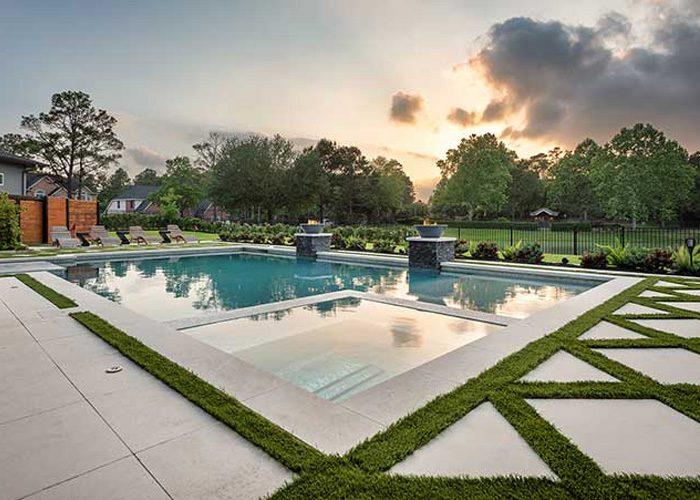
Defining Geometric Pools
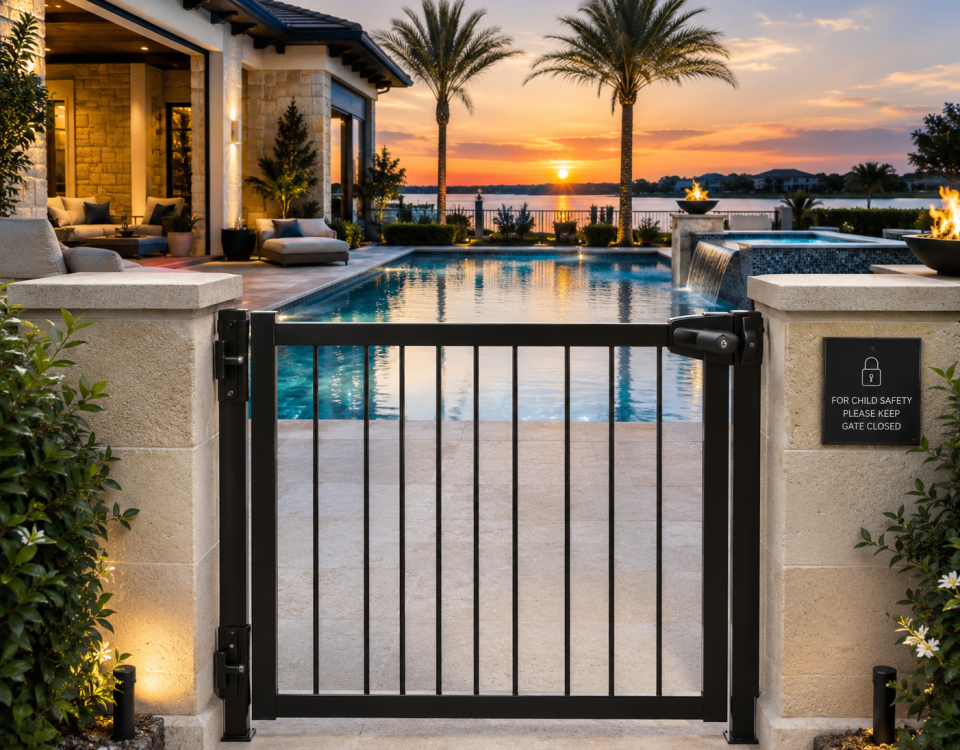
Geometric pools rely on straight lines, sharp angles, and symmetrical shapes such as rectangles, squares, or ovals. This design style has a clean, structured look that suits modern and traditional homes alike. Symmetry is the defining feature, which gives geometric pools a polished, intentional appearance.
Because of their straight edges, geometric pools tend to pair naturally with formal landscaping and contemporary architecture. They also make efficient use of space, which is a major advantage for smaller or more structured backyards.
Comparing the Visual Style
Freeform pools create a relaxed, natural feel that blends into the surrounding landscape. Geometric pools, in contrast, offer a more formal and architectural look. Neither style is objectively better, since the right choice depends entirely on personal taste and the character of the home.
Homeowners who want their pool to feel like a natural extension of the yard often lean toward freeform designs. Those who prefer clean lines and a more structured, high-end look typically choose geometric layouts instead.
Comparing Space Efficiency
Geometric pools generally make better use of a defined space. Straight edges allow for more usable deck area and simpler furniture placement around the pool. This efficiency is especially valuable on smaller lots where every square foot counts.
Freeform pools, on the other hand, often require more room to achieve their signature flowing shape. They tend to work best in larger yards where the design has space to curve naturally without feeling cramped.
Comparing Construction and Cost
Construction costs for both styles depend on size, materials, and added features rather than shape alone. That said, freeform pools can sometimes involve more complex formwork due to their curves, which may add to labor time. Geometric pools, with their straight lines, are often more straightforward to build and can move through construction a bit faster.
Maintenance costs are generally similar between the two styles. However, freeform pools with extensive rock features or waterfalls may require additional upkeep over time compared to a simpler geometric design.
Which Style Fits Your Backyard?
The best way to decide is to think about how you plan to use the space. A freeform pool suits families who want a relaxed, resort-like retreat surrounded by natural landscaping. A geometric pool suits those who prefer a sleek, modern look with efficient use of space.
It also helps to consider your home’s existing architecture. A geometric pool often complements a contemporary or traditional home, while a freeform design can soften a yard and create a more organic transition between the house and the landscape.
Making the Final Decision
There’s no wrong choice between freeform and geometric pools, only the choice that fits your vision. Working with an experienced pool designer can help you weigh the pros and cons based on your yard’s size, layout, and style. A professional can also show you renderings of both options so you can see exactly how each would look before construction begins.
Ultimately, the right pool shape is the one that matches how your family plans to use the space for years to come.
Blending the Two Styles
Some homeowners assume they have to choose one style exclusively, but that isn’t always the case. Many modern designs blend elements of both, using a geometric main pool paired with a curved tanning ledge or an organic-shaped spa. This approach lets you enjoy the structure of a geometric layout while still incorporating the softer, natural lines of a freeform design.
Landscaping choices can also bridge the two styles. Adding natural stone accents to a geometric pool softens its edges, while incorporating a defined tile border on a freeform pool adds a touch of structure. In contrast to a strict either-or decision, this flexibility allows the design to reflect exactly what you want.
Thinking About Long-Term Value
Both freeform and geometric pools can add strong resale value when they’re well built and properly maintained. Buyers in many markets respond positively to a pool that matches the overall style of the home, so it’s worth considering how your choice fits the neighborhood as well as your own preferences. A pool designer familiar with local trends can offer useful guidance here.
Regardless of shape, quality construction matters more than style alone. A well-engineered pool, built with durable materials and proper drainage, will hold its value and performance for decades no matter which design direction you choose.
Start planning your dream pool with a free design consultation from Avree Custom Pools. Our pool builder team will help create a design that matches your lifestyle, preferences, and Houston outdoor space.