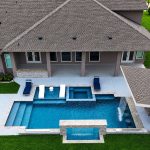
Building a custom pool is a major investment, and costs can vary widely from one project to the next. While pool size plays a role, several other factors have an even bigger impact on the final price. Understanding these factors can help you plan a realistic budget before construction begins.
Site Conditions and Excavation
Every backyard is different, and the ground beneath it has a direct effect on cost. Rocky soil, high water tables, or limited access for equipment can all increase excavation expenses. If crews need extra time or specialized equipment to prepare the site, that cost gets passed along to the project total.
Sloped yards also add complexity. Retaining walls or additional grading work may be required before construction can even begin, which raises the overall budget beyond what a flat, easily accessible lot would need.
Pool Shape and Design Complexity
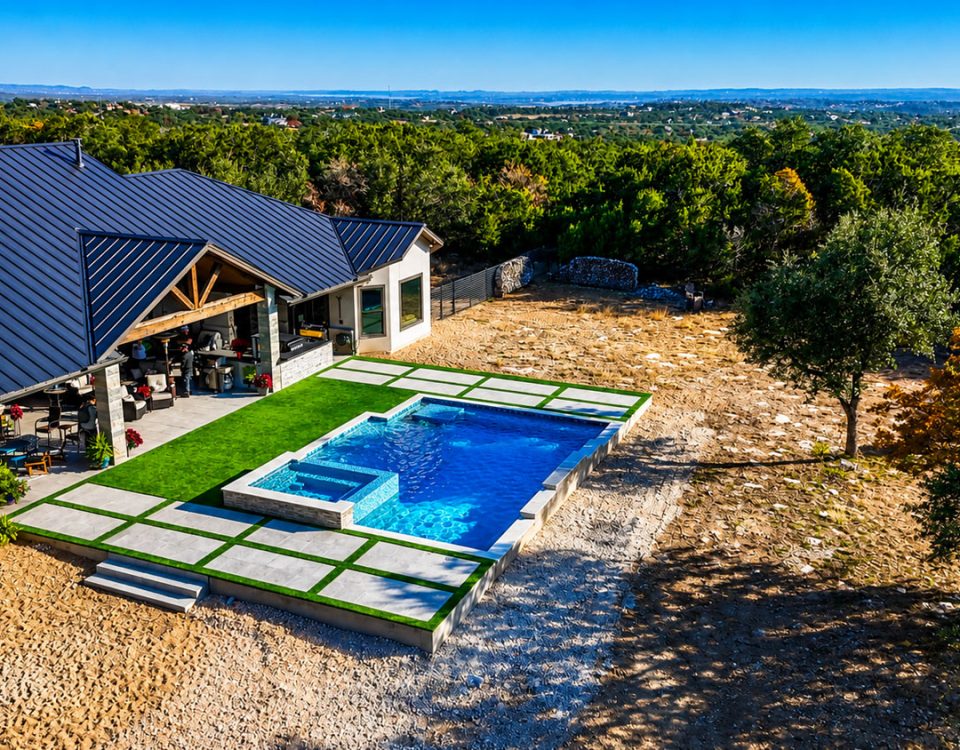
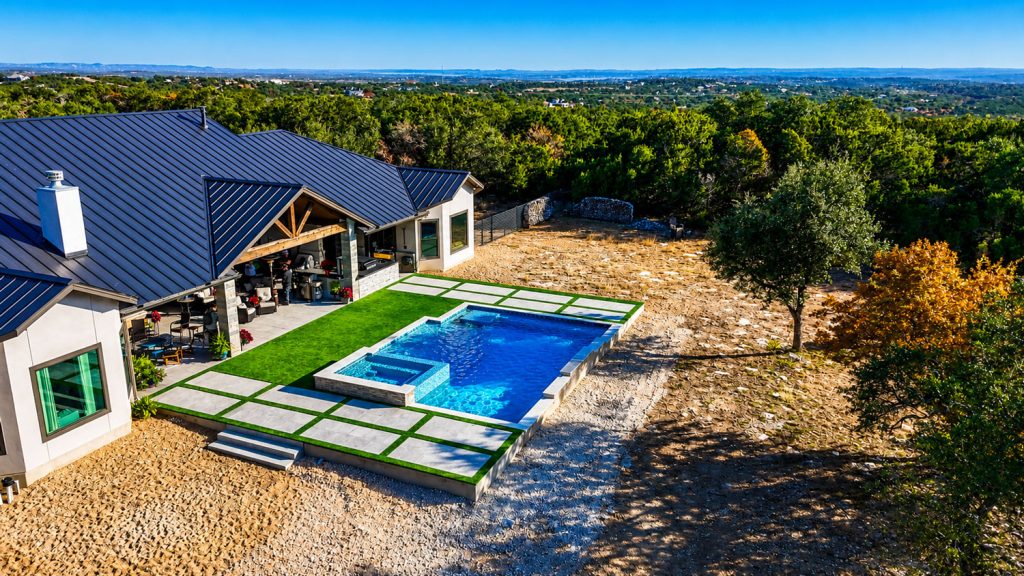
Simple rectangular pools are typically the most cost-effective option because they’re straightforward to build. Freeform designs, multiple depth changes, or intricate curves require more skilled labor and additional formwork. As a result, complex shapes almost always cost more than basic geometric designs of a similar size.
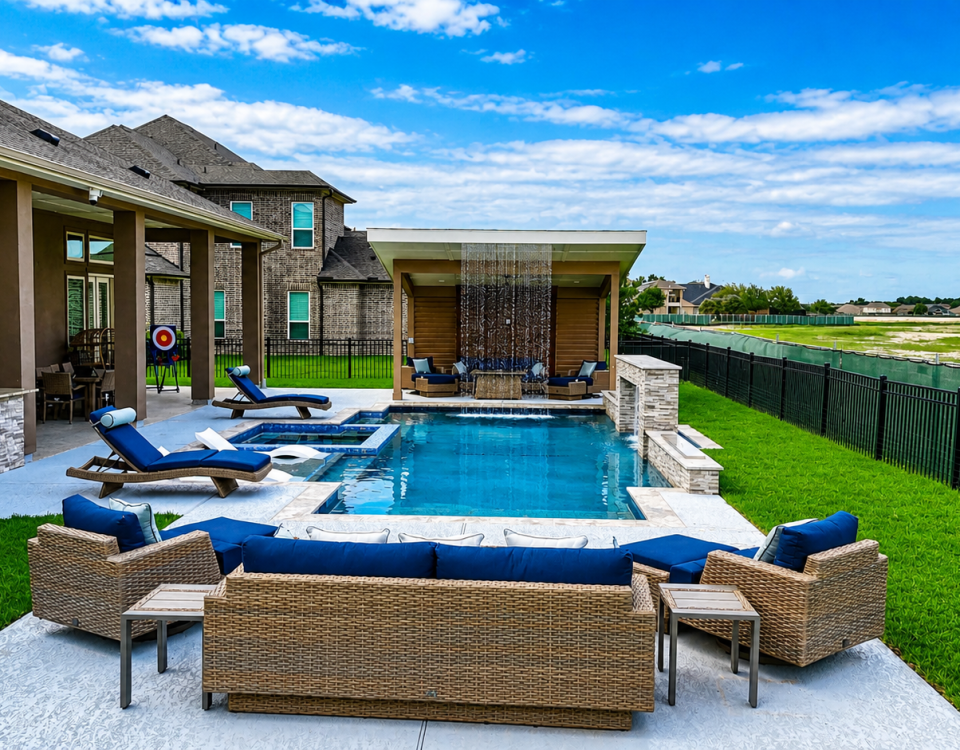
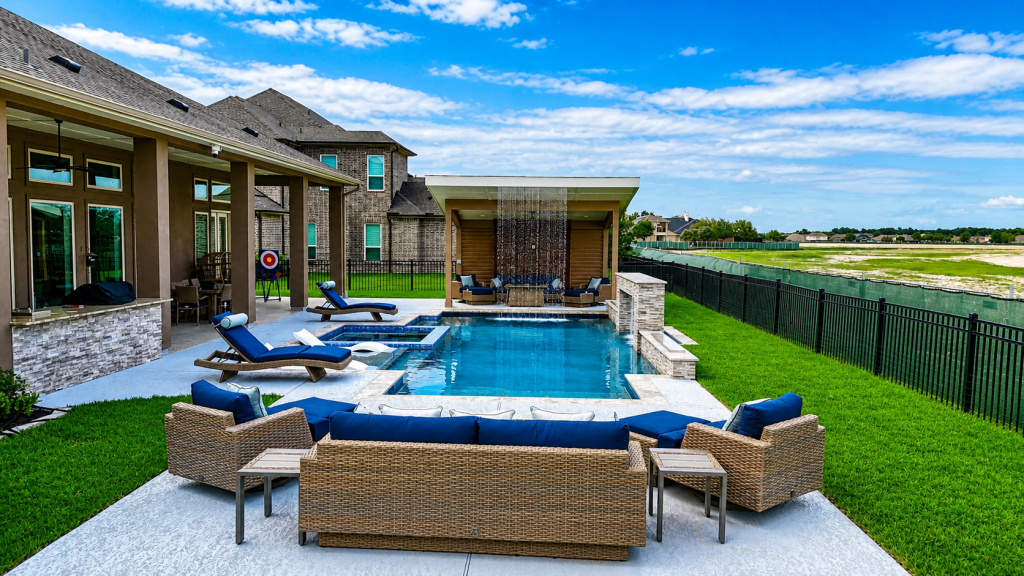
Added structural features like tanning ledges, swim-up bars, or attached spas also increase complexity. Each of these elements requires extra planning, materials, and construction time.
Custom Features and Add-Ons
Water and fire features, waterfalls, and grottos are some of the biggest price drivers in custom pool construction. These elements require additional plumbing, electrical work, and specialized materials. Therefore, the more custom features you add, the higher the total project cost will climb.
Lighting upgrades, in-pool seating, and automation systems also add to the budget. While these features enhance the overall experience, it’s important to prioritize which ones matter most if you’re working within a set budget.
Interior Finish Selection
The interior finish affects both the look and the price of a pool significantly. Standard plaster is generally the most affordable option, while pebble finishes, glass tile, and aggregate surfaces cost more. Higher-end finishes tend to last longer and resist staining better, which can offset some of the added upfront cost over time.
Waterline tile choices also influence price. Basic ceramic tile costs less than glass or natural stone options, so this is an area where personal taste and budget often need to be balanced.
Decking Materials
The material used around the pool has a bigger impact on cost than many homeowners expect. Basic stamped concrete is usually the most budget-friendly choice. Natural stone, pavers, and travertine cost more but offer a higher-end look and often perform better in hot climates.
Additionally, the size of the decking area matters just as much as the material. A larger deck with an outdoor kitchen, fire pit, or covered patio will add substantially to the total project cost.
Equipment and Automation
Pumps, filters, heaters, and automation systems vary widely in price and efficiency. Energy-efficient variable-speed pumps cost more upfront but can lower monthly operating expenses. Saltwater systems and app-based automation also add to the initial investment while offering long-term convenience.
Choosing higher-quality equipment usually pays off in reliability and lower repair costs down the road. In contrast, opting for basic equipment lowers the initial price but may lead to higher maintenance expenses later.
Permits and Local Requirements
Permit costs and local building requirements vary by location and can influence the total project price. Fencing requirements, setback rules, and inspections all factor into the overall budget. It’s worth discussing these requirements with your builder early in the process to avoid unexpected costs later.
Planning Your Budget
Understanding these cost drivers makes it easier to plan a pool project that fits your budget and vision. Working with an experienced builder helps you prioritize which features matter most while keeping the overall project on track. A clear, upfront conversation about design goals and budget limits leads to fewer surprises once construction begins.
Getting an Accurate Estimate
Online cost calculators can offer a rough starting point, but they rarely account for the specifics of your property. Soil conditions, yard access, and local permit requirements all vary too much for a generic tool to capture accurately. Therefore, an in-person consultation remains the most reliable way to get a true estimate for your project.
During this consultation, a builder can walk your property, discuss your design goals, and identify any site conditions that might affect the budget. This step also gives you the chance to ask questions about materials, timelines, and financing options before committing to a final plan.
Balancing Wants and Needs
It’s easy to get caught up in every feature you see in a design magazine or online gallery. However, prioritizing which elements matter most helps keep the project within a reasonable budget. Start with the features that will get the most use, such as a spa or tanning ledge, and treat extras like elaborate water features as optional upgrades.
This approach lets you build a pool you’ll love without overspending on features that add cost but see little daily use. A good builder will help guide these decisions rather than simply upselling every available option.
Ready to bring your custom pool vision to life? Schedule a free design consultation with Avree Custom Pools to explore the ideal depth, layout, and features for your Houston backyard.