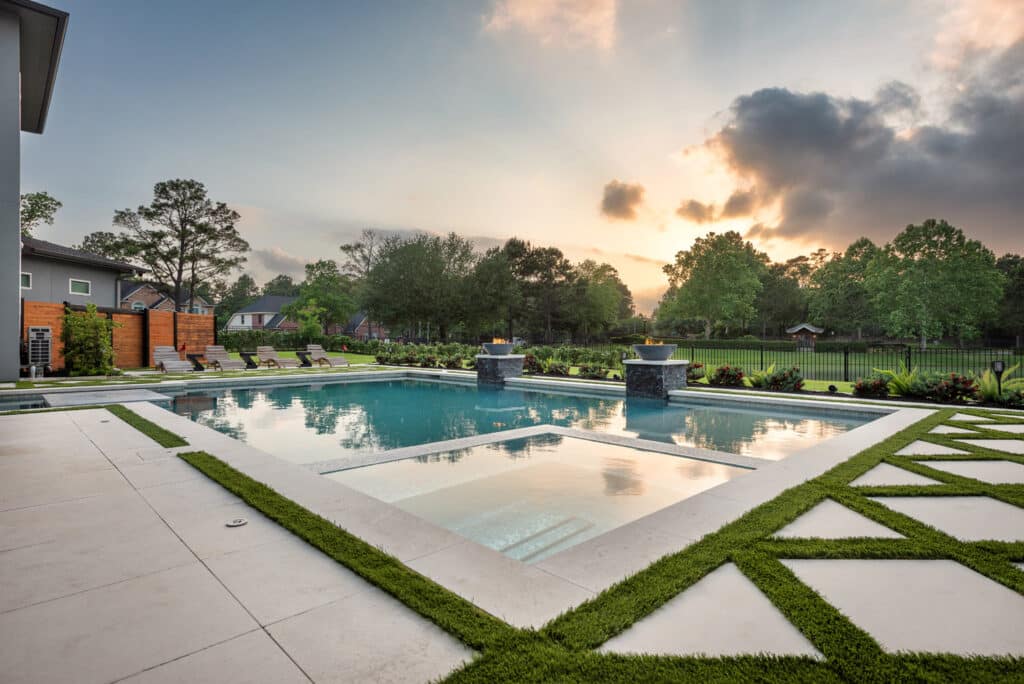
Designing a luxury backyard is an exercise in vision. Every detail from the pool’s edge profile to the placement of fire features matters. But even with the most thoughtful planning, many homeowners ask the same question during the design phase: Can I add a spa later if I don’t build one now?
The short answer is yes, but the long answer is where luxury homeowners need to pay attention. Adding a spa after the initial pool build is entirely possible, but doing it the right way requires foresight, expert craftsmanship, and an understanding of how future additions affect both design and investment value.
Why Homeowners Delay Adding a Spa
In high-end residential projects, the decision to postpone a spa often comes down to one of three factors: timing, budget allocation, or lifestyle uncertainty. Some homeowners want to prioritize architectural elements like expansive pools, outdoor kitchens, or landscaping first. Others may not yet know how often they’ll use a spa, especially if the home is new or serves as a seasonal residence.
Luxury design is rarely about cutting corners; it’s about strategic sequencing. However, waiting to add a spa should always be a deliberate choice, not an afterthought.
The Difference Between “Possible” and “Seamless”
Technically, a spa can be added at almost any point. Practically, the difference between a seamless spa addition and a disruptive retrofit comes down to early planning.
When a spa is included in the original design, even if it’s not built right away, builders can plan for plumbing lines, electrical capacity, structural reinforcement, and equipment layout. This preparation allows the spa to feel like a natural extension of the original pool rather than a separate, bolted-on feature.
Without that foresight, adding a spa later may require cutting into hardscaping, reworking pool plumbing, upgrading equipment, or redesigning the surrounding space. In luxury homes, these disruptions don’t just affect convenience; they affect aesthetics.
Design Considerations for Future Spa Additions
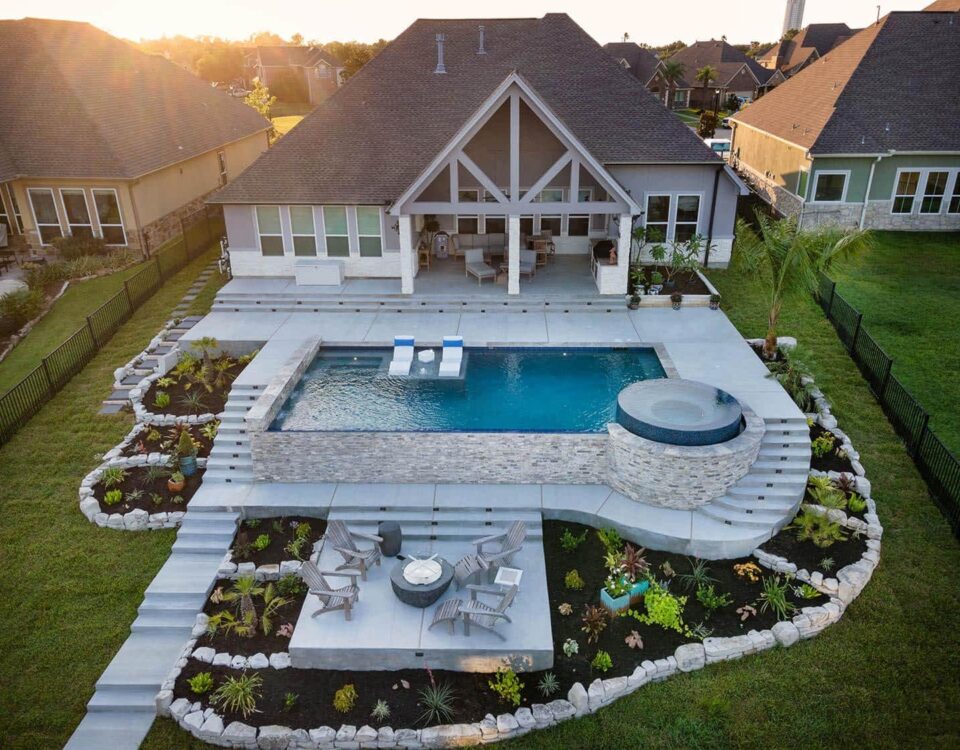
From a design standpoint, adding a spa later means carefully matching materials, elevations, and visual flow. Clean lines, symmetry, and intentional transitions define luxury pools. A spa that feels disconnected can disrupt the entire outdoor environment.
Key design factors include:
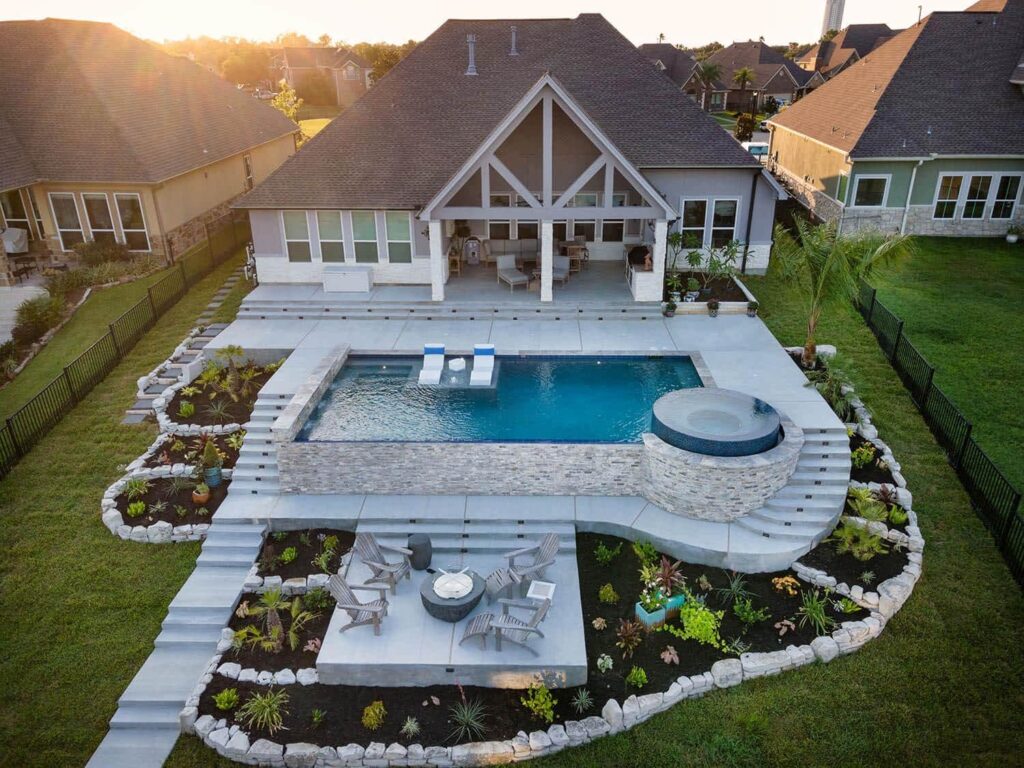
- Elevation and placement: Raised, spillover, and flush spas each require different structural considerations.
- Materials: Matching tile, stone, and coping years later can be challenging if materials are discontinued.
- Integration: Fire features, seating walls, and water features often interact with the placement of the spa.
The best luxury pool designers think years ahead, ensuring that even future additions align with the home’s original architectural language.
Structural and Mechanical Planning Matters
From a technical perspective, spas place unique demands on a pool system. They require higher water temperatures, powerful jets, and precise plumbing. If your pool equipment isn’t sized for a future spa, adding one later may require replacing heaters, pumps, or control systems.
Forward-thinking builders often install oversized or expandable equipment pads, capped plumbing lines, and smart automation systems that can easily incorporate a spa when the time comes. This approach preserves efficiency and avoids unnecessary upgrades down the line.
Cost Implications of Waiting
Many homeowners assume adding a spa later will cost roughly the same as adding it during initial construction. In reality, retrofitting often comes at a premium.
Additional costs may include demolition, reinstallation of hardscape, updated permits, and labor inefficiencies. While these costs don’t make future spa additions impractical, they do make early planning financially wise.
That said, a thoughtfully added spa can significantly increase property value, especially in luxury markets where wellness amenities are highly sought after. The key is ensuring the final result looks intentional, not improvised.
Luxury Buyers Expect Wellness Features
In today’s high-end real estate market, spas are no longer considered optional perks. They’re part of a broader lifestyle expectation centered on wellness, relaxation, and resort-style living. Heated spas, hydrotherapy seating, and integrated lighting all contribute to an experience buyers associate with premium homes.
If resale value is a consideration, planning for a future spa, even if it’s not built immediately, can be a smart strategic move.
The Best Approach: Design Now, Build Later
For luxury homeowners, the ideal solution isn’t choosing between a spa now or later; it’s designing for one now and deciding on the timing later.
By incorporating a future spa into the original pool design, you protect the integrity of your outdoor space, control long-term costs, and preserve design cohesion. When the time comes to build, the process is smoother, faster, and far more refined.
Adding a Spa Later
Yes, you can absolutely add a spa later if you don’t build one now. But in luxury construction, the real question isn’t can, it’s how well.
With proper planning, expert design, and a long-term vision, a future spa addition can feel just as elegant and intentional as if it were built from the start. For homeowners who value craftsmanship, aesthetics, and investment protection, thinking ahead is always the most luxurious choice.
At Avree Custom Pools, we specialize in designing and building custom luxury swimming pools for homes across Houston. Our experienced team prioritizes intentional design, expert craftsmanship, and a seamless construction process from concept to completion. Each pool is thoughtfully created to complement the home’s architecture and enhance the way our clients enjoy their outdoor living space.